The State of Human Rights and Freedoms in Bangladesh
Introduction
Bangladesh, a nation born out of a struggle for self-determination and human rights in 1971, has seen a complex evolution in its human rights landscape. While the country has made notable progress in various socio-economic indicators, concerns regarding human rights and freedoms persist. This article delves into the current state of human rights in Bangladesh, examining both the strides made and the challenges that remain.
Historical Context
The genesis of Bangladesh is rooted in the fight for human rights, particularly linguistic and cultural rights, against the oppressive policies of then-West Pakistan. The liberation war of 1971 was marked by widespread atrocities, including genocide, rape, and mass displacement. post-independence era, under the leadership of Sheikh Mujibur Rahman, was filled with optimism but also saw the emergence of political turmoil and authoritarian tendencies.
Legal Framework for Human Rights
Bangladesh is a signatory to several international human rights treaties, including the Universal Declaration of Human Rights (UDHR), the International Covenant on Civil and Political Rights (ICCPR), and the Convention on the Elimination of All Forms of Discrimination Against Women (CEDAW) Domestically, the Constitution of Bangladesh guarantees fundamental rights such as equality before the law, freedom of speech, and protection from arbitrary arrest and detention.
Despite this robust legal framework, the implementation and enforcement of these rights often fall short, leading to significant gaps between the law and reality.
Civil and Political Rights
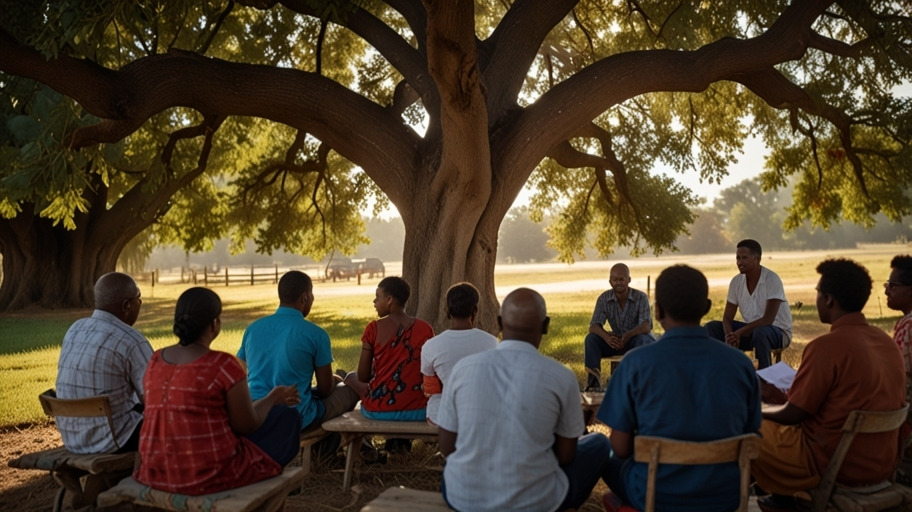
- Freedom of Speech and Expression Freedom of speech in Bangladesh is constitutionally protected, yet it faces significant restrictions in practice. The Digital Security Act (DSA) of 2018 has been particularly contentious. Designed to combat cybercrimes, the DSA has been criticized for its vague and Broad provisions that have been used to stifle dissent and target journalists, activists, and ordinary citizens. Reports of arrests and detentions under the DSA for social media posts critical of the government highlight the challenges to free expression.
- Press Freedom Bangladesh has a vibrant media landscape, with numerous print, electronic, and online outlets. However, press freedom is under constant threat. Journalists often face harassment, intimidation, and violence. According to Reporters Without Borders, Bangladesh ranks poorly in the World Press Freedom Index. Instances of journalists being abducted, assaulted, or sued under defamation and cyber laws are not uncommon, creating a climate of fear and self-censorship.
- Right to Assembly and Association The right to peaceful assembly and association is constitutionally protected but frequently restricted. Political rallies and protests are often met with heavy-handed police action, including the use of tear gas, rubber bullets, and arbitrary arrests. The government's use of the Public Safety Act and the Special Powers Act to detain political opponents and activists without trial further erodes these freedoms.
Judicial Independence and Rule of Law
The judiciary in Bangladesh is constitutionally independent, but its actual independence is often questioned. Political interference, corruption, and a backlog of cases undermine the judicial system. High-profile cases involving political figures often attract allegations of bias and manipulation. enforcement agencies, including the police and Rapid Action Battalion (RAB), have been accused of extrajudicial killings, enforced disappearances, and torture, eroding public trust in the rule of law.
Socio-Economic Rights
- Right to Education Bangladesh has made significant strides in improving access to education, particularly at the primary level. The government's commitment to achieving universal primary education has resulted in high enrollment rates and gender parity in primary schools. However, challenges remain in terms of quality of education, dropout rates at the secondary level, and ensuring education for marginalized communities.
- Right to Health Access to healthcare has improved in Bangladesh, with notable progress in maternal and child health. The country has achieved impressive reductions in infant and maternal mortality rates. However, the healthcare system is still plagued by issues such as inadequate infrastructure, shortage of medical professionals, and inequitable access to services. Rural and remote areas, in particular, face significant healthcare disparities.
- Labor Rights The garment industry, a cornerstone of Bangladesh's economy, has been under intense scrutiny for labor rights violations. The Rana Plaza disaster in 2013, which claimed over 1,100 lives, brought global attention to the unsafe working conditions and exploitation faced by garment workers. Despite subsequent reforms, issues such as low wages, lack of job security, and poor working conditions persist. The right to form and join trade unions is legally recognized but often obstructed by factory management and government policies.
Gender Rights and Women's Empowerment
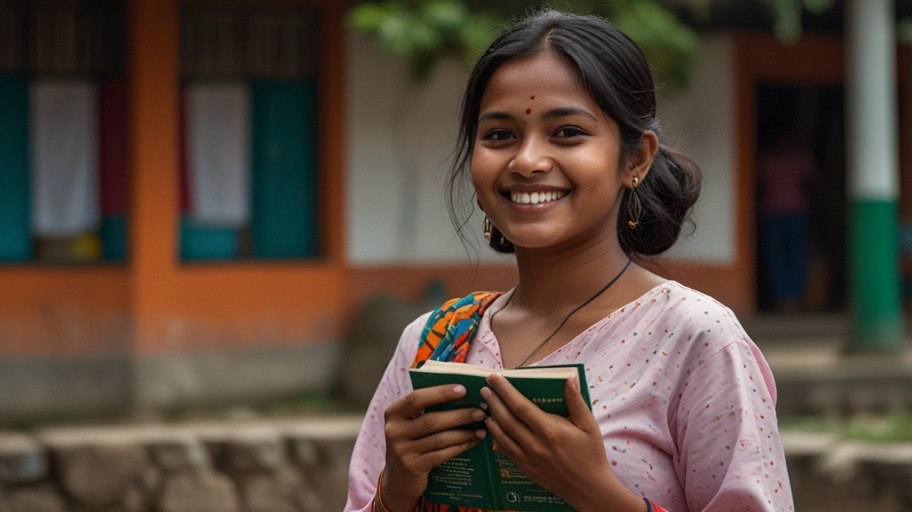
Gender equality remains a critical issue in Bangladesh. While there have been improvements in female literacy, labor force participation, and political representation, women and girls continue to face widespread discrimination and violence. Child marriage, domestic violence, and sexual harassment are prevalent, despite legal prohibitions. The implementation of laws protecting women's rights is often weak, and patriarchal norms further hinder progress.
Rights of Ethnic and Religious Minorities
Bangladesh is home to a diverse population, including various ethnic and religious minorities. These groups often face discrimination and marginalization. The indigenous communities in the Chittagong Hill Tracts (CHT) have long-standing grievances related to land rights, autonomy, and cultural preservation. Despite the signing of the CHT Peace Accord in 1997, issues such as land disputes, military presence, and human rights abuses remain unresolved.
Religious minorities, including Hindus, Christians, and Buddhists, have reported instances of violence, intimidation, and property seizures. The rise of religious extremism has further aggravated the vulnerabilities of these communities. While the government has taken steps to protect minority rights, enforcement is inconsistent and often inadequate.
Refugee Crisis and the Rohingya Issue
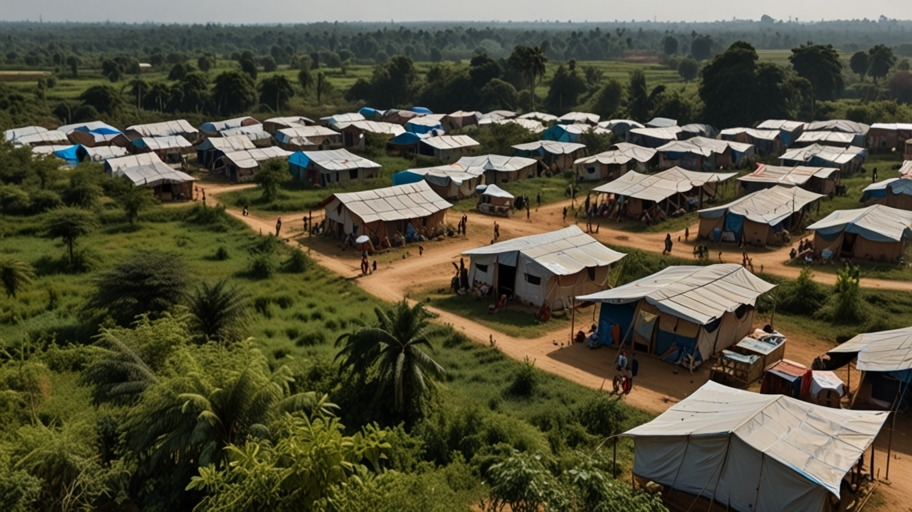
One of the most pressing human rights challenges facing Bangladesh is the Rohingya refugee crisis. Since 2017, over 700,000 Rohingya Muslims have fledgling violence and persecution in Myanmar, seeking refuge in Bangladesh's Cox's Bazar district. The refugee camps, now housing nearly one million Rohingyas, face dire conditions, including overcrowding, inadequate sanitation, and limited access to education and healthcare.
Bangladesh has shown remarkable generosity in hosting the Rohingya, but the prolonged crisis poses significant humanitarian and security challenges. The repatriation efforts have stalled, with refugees unwilling to return to Myanmar without guarantees of safety, citizenship, and basic rights. The international community's support in Terms of funding and diplomatic pressure on Myanmar remain crucial.
Human Trafficking and Modern Slavery
Human trafficking is a significant concern in Bangladesh, affecting men, women, and children. Victims are often trafficked for purposes of forced labor, sexual exploitation, and domestic servitude. Poverty, lack of education, and limited employment opportunities are key factors driving trafficking. The government has taken steps to combat trafficking, including enacting laws and establishing anti-trafficking units, but enforcement remains weak, and corruption within law enforcement agencies exacerbates the problem.
Environmental Rights and Climate Change
Bangladesh is one of the most vulnerable countries to climate change, facing threats such as rising sea levels, cyclones, and river erosion. Climate-induced displacement is already a reality, with thousands of people forced to migrate from affected areas. Environmental degradation and loss of livelihoods pose serious human rights challenges, particularly for the poor and marginalized communities.
The government has adopted various policies and programs to address climate change and promote sustainable development. However, effective implementation and international support are crucial to enhancing resilience and protecting the rights of those most affected by environmental changes.
Conclusion
The state of human rights and freedoms in Bangladesh is a mixed picture of progress and persistent challenges. While significant strides have been made in areas such as education, healthcare, and women's empowerment, issues like freedom of speech, judicial independence, and minority rights continue to pose further serious concerns. The Rohingya refugee crisis, human trafficking, and climate change add complexities to the human rights landscape.
Addressing these challenges requires a multifaceted approach, including strengthening the rule of law, enhancing the capacity and independence of institutions, and fostering a culture of respect for human rights. International cooperation and support, along with sustained domestic efforts, are essential to advancing human rights and ensuring a more just and equitable society in Bangladesh.