Urbanization and Housing Challenges in Major Cities of Bangladesh
Introduction
Urbanization is a global phenomenon that reflects the growing shift of populations from rural to urban areas. This process is driven by various factors, such as economic opportunities, better healthcare, education, and overall higher standards of living offered in urban environments. In Bangladesh, a country with a population exceeding 170 million, urbanization has occurred at a rapid pace, particularly in its major cities like Dhaka, Chattogram, Khulna, and Rajshahi. The nation's urban population has seen significant growth in the last few decades, with millions moving into urban centers annually. However, this rapid and often unplanned urban growth has led to numerous housing challenges, including shortages, affordability issues, and inadequate infrastructure.
This article explores the intricacies of urbanization and its consequent housing challenges in Bangladesh, focusing on the factors contributing to the housing crisis, the existing infrastructure deficits, and potential solutions to address these growing problems.
The Urbanization Trend in Bangladesh
The urbanization process in Bangladesh can be traced back to the 1950s when the country was still part of Pakistan. Following independence in 1971, the growth of cities accelerated due to industrialization and migration. In 1971, only about 8% of the population lived in urban areas. By 2021, this figure had reached over 35%, according to estimates by the Bangladesh Bureau of Statistics (BBS). It is projected that by 2050, more than 50% of Bangladesh's population will reside in urban areas.
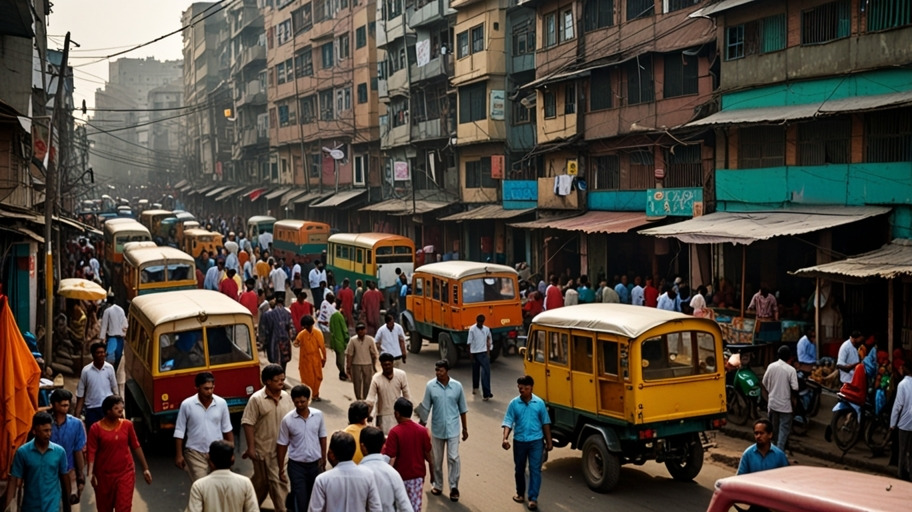
Dhaka, the capital city, exemplifies the explosive growth and associated challenges of urbanization. With a population of over 20 million, Dhaka is one of the most densely populated cities in the world. Other cities such as Chattogram (over 8 million residents) and Khulna (around 1.5 million residents) are also experiencing high levels of urban growth. These cities have become economic hubs, attracting migrants from rural areas in search of employment and better living standards. The rapid pace of urbanization, however, has placed immense pressure on existing housing, infrastructure, and services.
Major Cities Facing Housing Shortages
As cities in Bangladesh have expanded, housing shortages have become one of the most pressing issues. In Dhaka alone, the demand for housing far exceeds the available supply. A 2020 study conducted by the Real Estate and Housing Association of Bangladesh (REHAB) showed that the capital faced a housing deficit of approximately 500,000 units annually. The shortage is similarly acute in other major cities such as Chattogram and Khulna, although on a smaller scale.
The housing crisis is driven by several factors, including:
- Rapid Population Growth : The pace at which people are migrating to urban areas is overwhelming the city's capacity to provide adequate housing.
- Rising Land Prices : In major cities, particularly in Dhaka, the cost of land has skyrocketed, making it difficult for low- and middle-income families to afford decent housing.
- Limited Affordable Housing : The real estate sector caters predominantly to upper-income groups, leaving limited options for lower-income populations who make up the majority of urban dwellers.
- Unplanned Urban Development : Many cities have developed haphazardly without proper urban planning, leading to a mismatch between housing supply and demand.
Informal Settlements and Slums
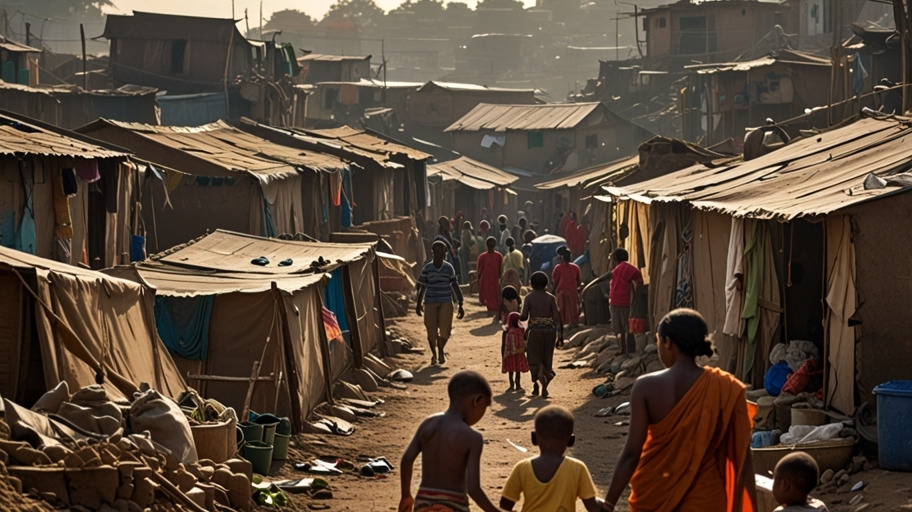
One of the most visible consequences of the housing shortage in Bangladesh's urban centers is the proliferation of informal settlements and slums. According to the United Nations Human Settlements Program (UN-Habitat), over 40% of Dhaka's population lives in informal housing or slums. These settlements are characterized by inadequate access to basic services, such as water, sanitation, electricity, and healthcare.
Slums are often overcrowded, with small, makeshift structures housing large families. These areas are prone to flooding, fires, and other disasters, and the residents, who mostly work in the informal sector, are highly vulnerable to eviction. The living conditions in these areas are far from adequate, and they contribute to a wide array of social and health-related problems. In Chattogram, similar issues are present, where informal settlements have grown along the coastal areas and railway lines, housing the city's poor migrant population.
Affordability Crisis
In addition to the shortage of housing, affordability is a major concern for urban residents in Bangladesh. Land prices and real estate costs have risen dramatically over the past few decades, particularly in Dhaka and Chattogram. For example, the price of land in many parts of Dhaka increased by over 400% between 2000 and 2020, according to a study by the Center for Policy Dialogue (CPD).
Most real estate development in Bangladesh caters to the affluent, leaving low- and middle-income groups struggling to find affordable options. A typical middle-class family would need to save for years, if not decades, to afford a house in Dhaka. The lack of affordable housing options has led to a proliferation of informal rentals, where slumlords charge exorbitant rates for substandard housing.
For the urban poverty, the situation is even more dire. Most are related to living in slums or poorly constructed informal settlements where rents are high compared to the quality of living conditions. Many of these families spend a disproportionate share of their income on rent, leaving little for food, healthcare, or education.
Infrastructure Deficits and Urban Sprawl
In addition to housing shortages, urbanization has also placed tremendous strain on the infrastructure of Bangladesh's major cities. The cities were not built to accommodate the current population levels, leading to numerous infrastructural challenges, including:
- Traffic Congestion : Dhaka is infamous for its traffic jams, which result from inadequate public transportation systems, poorly maintained roads, and the city's ever-expanding population. On average, commuters in Dhaka spend over 3-4 hours per day stuck in traffic, according to the World Bank.
- Water and Sanitation : The rapid urbanization has outpaced the provision of essential services like water supply, sewage, and sanitation. Many informal settlements and slums do not have access to clean drinking water or adequate sanitation facilities, leading to health issues like cholera and diarrhea.
- Waste Management : With the growing population comes increased waste generation. Major cities like Dhaka and Chattogram struggle with effective waste management systems, resulting in environmental degradation and health risks.
As the population in urban centers continues to grow, cities are expanding into their peripheries, creating urban sprawl. Urban sprawl further worsens housing shortages as informal settlements spread into areas without adequate infrastructure or services, compounding the challenges faced by both residents and city planners.
Government Policies and Responses
The government of Bangladesh has recognized the urgent need to address the housing crisis in its urban areas. Several policies and initiatives have been launched over the years, but their impact has been limited by lack of coordination, insufficient funding, and the sheer scale of the problem.
National Housing Policy (1993, 1999, 2008)
The National Housing Policy was first introduced in 1993 and subsequently revised in 1999 and 2008. The policy aims to ensure that all citizens have access to adequate housing by promoting affordable housing options, improving land-use planning, and encouraging private sector participation. However, the policy has faced criticism for its lack of concrete implementation plans and failure to address the needs of low-income and slum-dwelling populations adequately.
Urban Development Directorate (UDD)
The Urban Development Directorate (UDD) was established to oversee and guide urban planning across the country. The UDD has been involved in several projects aimed at improving housing and infrastructure in urban areas. However, due to limited financial resources and lack of enforcement mechanisms, many of the UDD's initiatives have fallen short of their goals.
Public-Private Partnerships (PPP)
The government has increasingly turned to public-private partnerships (PPPs) as a way to address the housing crisis. Through PPPs, the government collaborates with private developers to build affordable housing projects. Some success has been seen in these ventures, with several low- cost housing projects initiated in Dhaka and Chattogram. However, these projects often still cater to middle-income families, leaving the urban poor underserved.
Rehabilitation of Slums
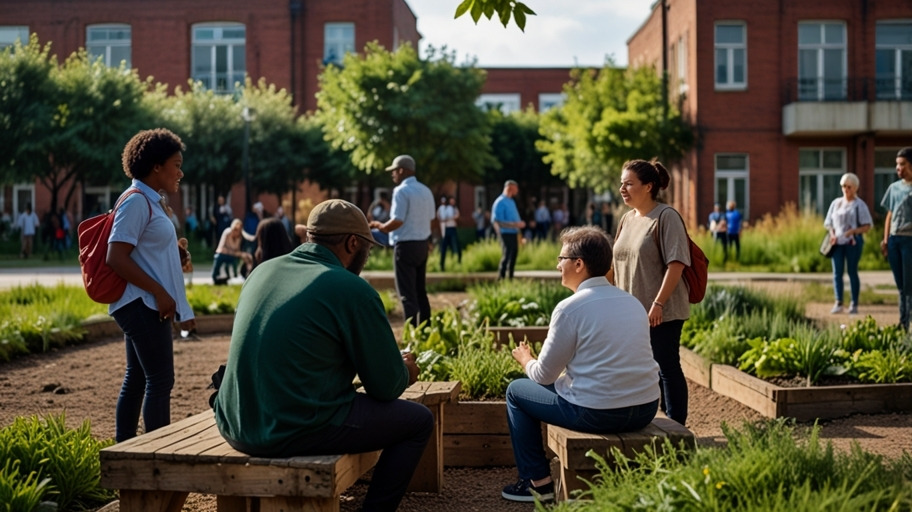
Several efforts have been made to rehabilitate slum dwellers by offering them more formal housing options. Projects like the Bhashantek Rehabilitation Project in Dhaka have aimed to relocate slum residents to new housing complexes. However, these initiatives have often been plagued by corruption, mismanagement, and delays, leaving many slum dwellers with little improvement in their living conditions.
Challenges in Implementing Solutions
Despite various policies and efforts, the housing crisis in Bangladesh's major cities remains severe. Several challenges hinder the successful implementation of solutions:
- Corruption and Mismanagement : Corruption is a major issue in both public and private sectors, often diverting funds and resources meant for housing and infrastructure projects.
- Lack of Coordination : There is often a disconnect between different government bodies responsible for urban development, leading to inefficient use of resources and overlapping responsibilities.
- Insufficient Funding : Many housing and urban development projects are underfunded, particularly those aimed at low-income populations.
- Legal and Regulatory Barriers : Complex land ownership laws and bureaucratic hurdles often delay housing projects and drive up costs.
Potential Solutions
To effectively address the housing challenges in Bangladesh's urban centers, a multifaceted approach is needed, focusing on both short-term and long-term solutions:
- Affordable Housing Projects : The government should incentivize private developers to build more affordable housing options, particularly for low-income and middle-income families. This could be achieved through tax breaks, subsidies, and other incentives.
- Slum Upgrading Programs : Rather than relocating slum residents, upgrading existing slums by providing basic infrastructure such as water, sanitation, and electricity could significantly improve living conditions for millions.
- Effective Urban Planning : Cities in Bangladesh need comprehensive urban planning to ensure sustainable growth. This includes zoning laws, infrastructure development, and environmental protection.
- Public Transportation Expansion : Expanding and modernizing public transportation systems could help alleviate traffic congestion and improve the quality of life for urban residents.
- Strengthening Institutional Capacity : Government institutions responsible for housing and urban development must be strengthened, with better coordination and oversight to reduce corruption and improve efficiency.
Conclusion
Urbanization in Bangladesh presents both opportunities and challenges. While cities like Dhaka and Chattogram have become economic hubs, they are also facing significant housing shortages, affordability issues, and infrastructural deficits. Addressing these challenges requires a comprehensive approach that includes policy reform, improved planning urban , and collaboration between the government, private sector, and civil society. With effective interventions, Bangladesh can work toward ensuring that its cities become livable, inclusive, and sustainable for all residents.