The Influence of Foreign Aid and International Organizations on Bangladesh
Introduction
Bangladesh, since its inception in 1971, has been a recipient of substantial foreign aid and assistance from various international organizations. As a country that emerged from a war of independence, devastated by conflict, poverty, and a lack of infrastructure, Bangladesh has relied heavily on foreign aid to fuel its development. Over the decades, international organizations like the World Bank, the International Monetary Fund (IMF), the United Nations (UN), the Asian Development Bank (ADB), and numerous bilateral donors have played a critical role in shaping the nation's economic and social landscape.
The influence of foreign aid and international organizations in Bangladesh is multifaceted. On the one hand, aid has undeniably contributed to the country's economic growth, poverty alleviation, and development in areas such as health, education, and infrastructure. On the other hand, there are critiques regarding the long-term sustainability of aid dependency, the conditions imposed by donor countries and organizations, and the challenges that come with aligning external assistance with national priorities.
This article aims to explore the influence of foreign aid and international organizations on Bangladesh, assessing their roles in development, the challenges associated with aid dependency, and the future of foreign aid in Bangladesh.
Historical Context: Bangladesh's Reliance on Foreign Aid
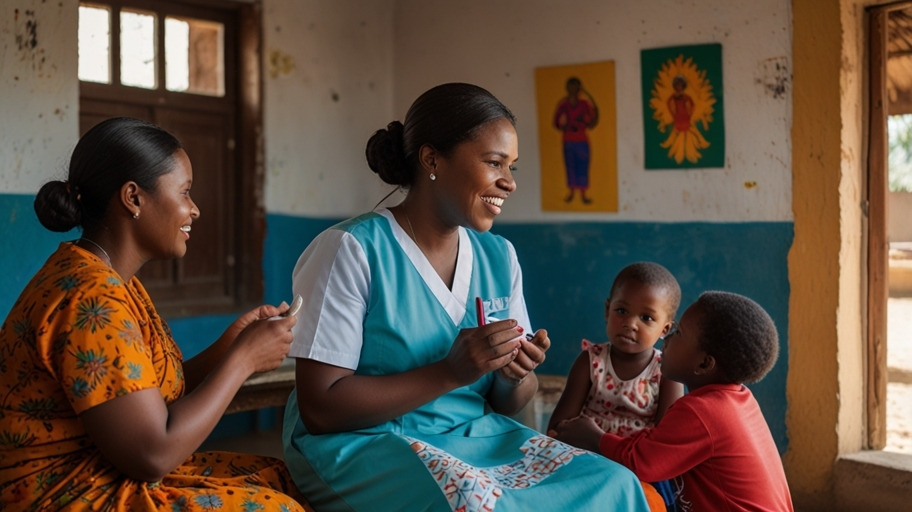
Following its independence from Pakistan in 1971, Bangladesh was left in a state of devastation. The war had taken a severe toll on its infrastructure, industries, and social services. Additionally, the country faced significant challenges such as overpopulation, widespread poverty, illiteracy, and frequent natural disasters. In this context, foreign aid became a crucial tool for rebuilding the nation.
During the 1970s and 1980s, Bangladesh received substantial amounts of aid from both bilateral and multilateral donors. The United States, Japan, the United Kingdom, and European countries provided financial assistance and technical support. International organizations like the World Bank, IMF, UN agencies , and ADB became deeply involved in the country's development plans.
Foreign aid initially focused on humanitarian assistance, such as food aid, disaster relief, and rehabilitation of infrastructure. Over time, the focus of aid shifted towards longer-term development goals, including poverty reduction, healthcare, education, and agricultural development. Aid also began to play a significant role in shaping government policies, influencing economic reforms, and promoting governance improvements.
The Role of International Organizations
International organizations have been pivotal in shaping Bangladesh's development trajectory. These organizations provide financial support, technical expertise, policy recommendations, and capacity-building assistance. Some of the most significant players in Bangladesh include:
- World Bank : The World Bank has been one of the most prominent contributors to Bangladesh's development. It has provided substantial financial assistance for various projects, ranging from infrastructure development to social welfare programs. The World Bank has supported Bangladesh in areas such as rural development, education, healthcare, and disaster management. The World Bank's focus has been on poverty alleviation, human development, and economic growth. In recent years, it has been involved in projects like the construction of the Padma Bridge, the improvement of rural roads, and support for the garment industry. The World Bank's policies have also influenced Bangladesh's macroeconomic framework, encouraging reforms in governance, public financial management, and trade liberalization.
-
International Monetary Fund (IMF) : The IMF has played a role in Bangladesh's macroeconomic management, particularly in times of economic crisis. In the 1980s and 1990s, Bangladesh entered into several Structural Adjustment Programs (SAPs) with the IMF, which aimed to stabilize the economy through fiscal austerity, monetary control, and trade liberalization. While these programs helped stabilize the economy, they were also criticized for imposing harsh conditions, such as reducing subsidies on essential commodities, which disproportionately affected the poor. However, in recent years, Bangladesh has not relied as heavily on IMF assistance, as its economic stability has improved.
- United Nations and its Agencies : The UN and its specialized agencies, such as UNICEF, WHO, UNDP, and FAO, have played critical roles in supporting Bangladesh's development in areas such as health, education, agriculture, and disaster relief. UNICEF has been actively involved in improving child and maternal health, while the WHO has supported the government in strengthening healthcare systems. The UNDP has contributed to governance reforms, capacity building, and climate change adaptation programs. The UN's presence in Bangladesh has been essential in providing technical assistance, fostering policy dialogues, and addressing key social issues such as gender equality and human rights.
- Asian Development Bank (ADB) : The ADB has provided loans and technical assistance to Bangladesh, focusing on infrastructure development, energy, transportation, and water management. The ADB has been a key player in financing large-scale infrastructure projects, such as highways, power plants, and urban development initiatives. The ADB's involvement has helped Bangladesh improve its connectivity, expand its energy production, and enhance urban services. However, ADB loans come with conditions that require Bangladesh to implement certain reforms, such as improving governance and enhancing environmental sustainability.
Impact of Foreign Aid on Bangladesh's Development
- Economic Growth and Poverty Reduction : Foreign aid has contributed significantly to Bangladesh's impressive economic growth over the past few decades. Aid-funded projects in sectors such as agriculture, education, healthcare, and infrastructure have boosted productivity, improved living standards, and reduced poverty levels Bangladesh 's GDP growth rate has been consistently high in recent years, often exceeding 6-7% per year. The country's poverty rate has also declined dramatically, from over 50% in the early 1990s to around 20% today. Foreign aid has played a role in achieving these outcomes by supporting key sectors of the economy and enhancing the government's capacity to deliver services.
-
Human Development : Foreign aid has been instrumental in improving Bangladesh's human development indicators. In the education sector, international organizations like the World Bank, UNICEF, and UNESCO have supported the government in expanding access to primary and secondary education, improving teacher training, and enhancing curriculum development. In healthcare, foreign aid has helped Bangladesh make significant strides in reducing infant mortality, improving maternal health, and combating diseases such as tuberculosis and malaria. Aid-funded programs have also played a critical role in expanding access to clean water and sanitation , particularly in rural areas.
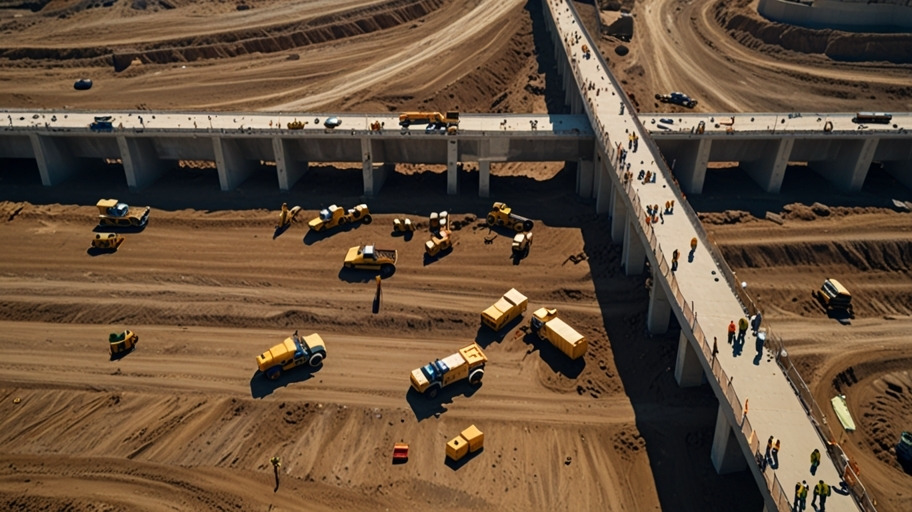
- Infrastructure Development : Infrastructure development has been another area where foreign aid has made a substantial impact. Bangladesh has received significant assistance for building roads, bridges, power plants, and other critical infrastructure. The Padma Bridge, a landmark project that will connect the southwest region with the rest of the country, is one such example where international assistance has played a key role. Improved infrastructure has facilitated trade, enhanced connectivity, and supported the expansion of industries such as textiles and manufacturing, contributing to overall economic growth.
- Disaster Management and Climate Change Adaptation : Bangladesh is one of the most vulnerable countries in the world to natural disasters, such as floods, cyclones, and rising sea levels due to climate change. Foreign aid has been crucial in building Bangladesh's capacity to manage and respond to disasters. International organizations like the UNDP, World Bank, and ADB have supported the development of early warning systems, disaster preparedness plans, and climate change adaptation strategies. Foreign aid has also helped fund projects aimed at strengthening coastal defenses, building climate-resilient infrastructure, and supporting communities affected by climate change.
Challenges and Criticisms of Foreign Aid in Bangladesh
- Aid Dependency : One of the main criticisms of foreign aid in Bangladesh is that it has created a dependency on external assistance. While aid has undoubtedly contributed to development, there are concerns that over-reliance on foreign aid can hinder the country's ability to develop its own sustainable economic models. Critics argue that aid dependency can limit the government's policy autonomy, as donor countries and international organizations often impose conditions on aid, which may not always align with national priorities. Furthermore, aid flows can be unpredictable, creating uncertainty in long -term planning and development strategies.
-
Conditionality and Sovereignty : Many international organizations, particularly the IMF and World Bank, impose conditions on the aid they provide. These conditions often require the recipient country to implement specific economic reforms, such as reducing government spending, privatizing state-owned enterprises, and liberalizing trade. While these reforms can lead to greater economic efficiency, they can also undermine national sovereignty and disproportionately affect vulnerable populations. For example, reducing subsidies on essential goods like food and fuel can increase the cost of living for the poor, exacerbating inequality.
- Aid Effectiveness : There is an ongoing debate about the effectiveness of foreign aid in achieving sustainable development outcomes. Some critics argue that aid can be misused, mismanaged, or diverted to projects that do not align with national needs. Moreover, the implementation of aid projects can sometimes be inefficient due to bureaucratic delays, lack of coordination among donors, and corruption. Ensuring that aid is used effectively and reaches the intended beneficiaries remains a significant challenge.
The Future of Foreign Aid in Bangladesh
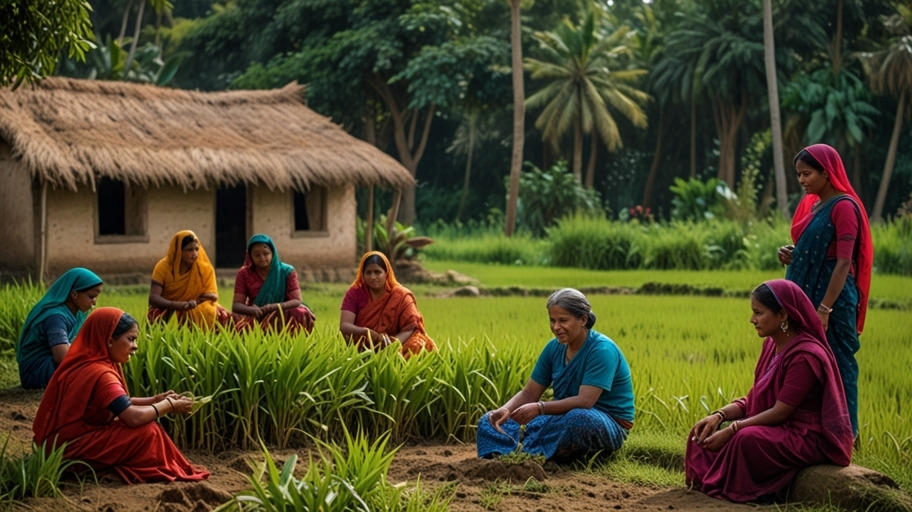
As Bangladesh continues its journey towards becoming a middle-income country, the role of foreign aid is likely to evolve. While the country has made substantial progress in reducing poverty, improving human development, and building infrastructure, challenges remain, particularly in areas such as inequality, governance, and climate change.
Foreign aid will continue to be important in addressing these challenges, particularly sectors in like healthcare, education, and disaster management. However, as Bangladesh's economy grows and becomes more self-reliant, the nature of aid is likely to shift from traditional development assistance to more focused technical support, capacity building, and investment in innovation.
In addition, the government must work towards reducing aid dependency by strengthening domestic revenue generation, improving governance, and fostering private sector-led growth. Ensuring that foreign aid aligns with national development priorities and is used effectively will be crucial for Bangladesh's long-term development .
Conclusion
Foreign aid and international organizations have had a profound impact on Bangladesh's development since its independence. Aid has contributed to economic growth, poverty reduction, and improvements in key sectors such as health, education, and infrastructure. International organizations have played a key role in shaping government policies and building capacity.
However, the challenges associated with aid dependency, conditionality, and aid effectiveness must be addressed to ensure that foreign aid continues to have a positive impact. As Bangladesh moves towards becoming a middle-income country, the role of aid is likely to change, with a greater focus on technical support, innovation, and sustainability.
In conclusion, while foreign aid will remain an important tool for addressing Bangladesh's development challenges, the country's future success will depend on its ability to build a self-reliant, sustainable, and inclusive economy.